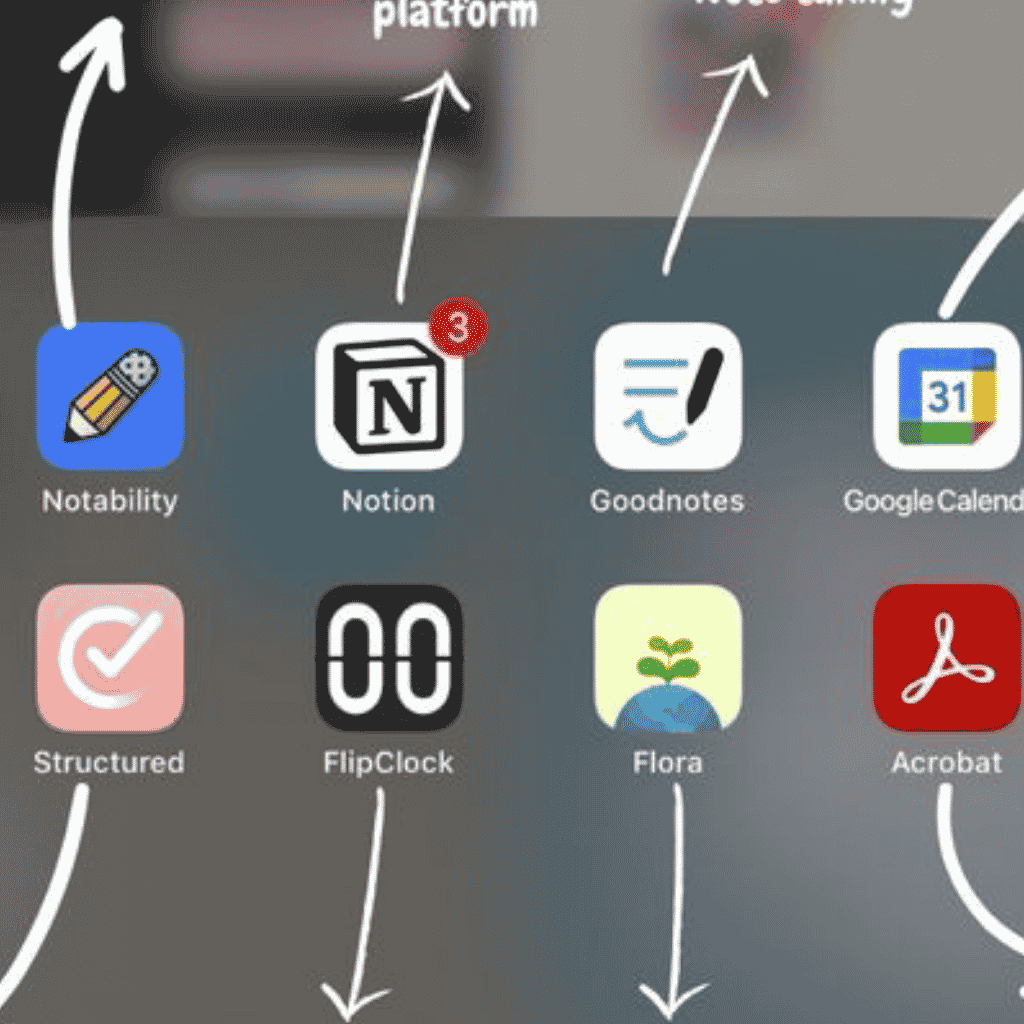
Ace Your Exams: Tips for memorization, exam prep, and note-taking techniques.
Chale, we’ve all been there. It’s two weeks to exams, your desk is piled high with handouts, and suddenly, everything you read in the first week of the semester feels like a distant memory. Whether you are navigating the hilly terrain of KNUST, rushing for lectures at the University of Ghana (Legon), or keeping up with the fast pace at UPSA, the “la cram, la pour” method eventually fails everyone.
Between the heat, the social life, and the heavy course loads, finding the right study tips for memorization is the only way to survive and thrive. At Getrooms, we don’t just help you find the best hostels in Ghana; we want to see you excel in those hostels too. This guide is your “apor” for academic excellence, covering everything from memory hacks to note-taking methods that actually stick.
Why Memorization and Smart Study Techniques Matter
Many students believe that being “smart” is a fixed trait. In reality, academic success is often more about your system than your IQ. If you don’t have a strategy, you end up wasting hours re-reading the same page without actually absorbing the information.
Using effective study tips for memorization helps you move information from your short-term memory (which is as fleeting as a “one-day” data bundle) to your long-term memory. This reduces exam anxiety because you aren’t walking into the hall hoping for luck; you’re walking in with a mental library that’s well-organized and easy to access.

Proven Study Tips for Memorization
Memorizing isn’t just about repeating words until you sound like a broken record. It’s about teaching your brain how to store and retrieve data. Here are the most effective study tips for memorization used by top-performing students globally.
1. Active Recall: The Game Changer
Instead of just reading your notes over and over, close the book and ask yourself, “What did I just read?” Active recall forces your brain to retrieve information. This strengthens the neural pathways. If you can explain a concept without looking at your handout, you’ve truly learned it.
2. Spaced Repetition
Don’t try to “chew” the whole syllabus in one night. The forgetting curve shows that we lose most of what we learn within 24 hours unless we review it. Review your notes:
- 1 hour after the lecture
- 1 day later
- 1 week later
- 1 month later
This “spacing” signals to your brain that the information is important and needs to be retained long-term.
READ ALSO: The Ultimate Survival Guide: How to Deal With Difficult Roommates
3. The Chunking Technique
Our brains can typically hold only about 5–9 items in short-term memory at a time. Chunking involves breaking down large strings of information into smaller, manageable groups. For example, instead of memorizing a 10-digit number as individual digits, group them into threes or fours. This is one of the most practical study tips for memorization for complex subjects like Law or Medicine.
4. Use Mnemonics and Acronyms
We all remember Mr. Niger D for the characteristics of living things, right? Create your own funny acronyms or sentences in Twi, Ga, or English to remember lists. The weirder the sentence, the easier it is to remember.
Effective Exam Preparation Strategies
Preparing for exams in a Ghanaian university requires more than just “vibes and insha’Allah.” You need a concrete plan to handle the pressure.
Create a Realistic Study Schedule
Don’t wait for the “Timetable is out” panic. Map out your weeks in advance. Identify your “power hours”—are you a “boga” who studies best at 2:00 AM, or do you prefer the early morning breeze? Allocate more time to your “heavy” courses and stick to the plan.
Use Practice Tests
Past questions (Pascos) are your best friend. In Ghana, lecturers often have a specific style of questioning. Solving past papers isn’t just about the answers; it’s about understanding the format. This is a core part of exam preparation strategies because it builds your confidence and helps you manage your time during the actual paper.
The Feynman Technique
To see if you really understand a topic, try explaining it to a friend who isn’t in your department. If you can’t explain it simply, you don’t know it well enough. This is one of the best memory improvement techniques because it identifies the “gaps” in your knowledge.
Group Studies (Done Right)
Group studies can be a blessing or a curse. If you spend the whole time discussing the latest TikTok trends or “who is dating whom” in the hostel, you’re wasting time. Find a focused group where you can quiz each other. Teaching someone else is a powerful way to reinforce what you know.
Powerful Note-Taking Techniques for Better Learning
Your notes are the bridge between the lecture hall and your exam success. If your notes are messy, your revision will be stressful. Here are effective note-taking methods to transform your learning.
1. The Cornell Method
Divide your paper into three sections:
- Cue Column (Left): Key terms, dates, and questions.
- Note-Taking Column (Right): The main ideas from the lecture.
- Summary (Bottom): A brief wrap-up of the page in your own words.
This structure makes it incredibly easy to use study tips for memorization, like active recall, later on.
2. Mind Mapping
For visual learners, mind mapping is a lifesaver. Start with the main topic in the center of the page and draw branches for sub-topics. Use different colors and small sketches. This helps you see the “big picture” and how different concepts connect.
3. The Outline Method
This is the classic way: using bullet points and sub-bullets to create a hierarchy. It’s neat, organized, and great for subjects that are heavy on theory and definitions.
4. Digital vs. Handwritten Notes
While typing is faster, research suggests that handwriting notes helps with better retention. When you write by hand, you can’t record every word the lecturer says, so your brain is forced to summarize and process the information in real-time. This is one of the most underrated study strategies for students.
How to Combine Memorization, Exam Prep, and Note-Taking for Maximum Results
To get that First Class or “Strong” Second Class Upper, you need to integrate these systems.
- Phase 1 (During Class): Use effective note-taking methods like the Cornell system to capture information.
- Phase 2 (After Class): Within 24 hours, review those notes and create a mind map to see how they fit into the course module.
- Phase 3 (Weekly): Apply study tips for memorization, like spaced repetition. Quiz yourself using the “Cue Column” in your Cornell notes.
- Phase 4 (Exam Month): Shift your focus to exam preparation strategies. Solve at least five years’ worth of Pascos and focus on active recall for the topics you find most difficult.
By combining these, you aren’t just memorizing; you are building deep understanding. How to remember what you study becomes easy when you have a repetitive, structured system in place.
Common Study Mistakes Students Should Avoid
- Multitasking: You cannot study while watching Netflix or replying to WhatsApp messages. Every time you switch tasks, your brain loses focus. Put your phone on “Do Not Disturb” or leave it in your hostel room while you head to the library.
- Highlighting Everything: If the whole page is yellow, nothing is important. Use highlighters sparingly for key terms only.
- Ignoring Sleep: Pulling “all-nighters” might seem heroic, but sleep is when your brain actually “saves” the data you studied. Without sleep, your memory is like a computer that crashed before you hit “Ctrl + S.”
- Studying in Bed: Your brain associates your bed with sleep. Study at a desk or in a common area in your hostel to stay alert.
Focus on Your Environment
Your study environment plays a huge role in how well you absorb information. If your hostel is too noisy or you’re always distracted by “perching” issues, your grades will suffer.
At Getrooms, we believe every student deserves a comfortable, safe space to learn. We have built a massive network of over 800 verified hostels across 60 universities. Whether you need a quiet room in Legon or a modern apartment near KNUST, we’ve got you covered.
READ ALSO: Are Student Hostels Worth It?
Our Direct Access Model eliminates the stress of “middlemen” who might overcharge you or disappear with your money. For a small fee (GHS 10 to 35), you can unlock the direct contact of hostel managers. Check out our pricing page for more details.
Conclusion
Mastering study tips for memorization is a journey, not a sprint. Start by implementing one or two techniques—maybe try the Cornell method today or set up a spaced repetition schedule for your most difficult course. Remember, effective note-taking methods and solid exam preparation strategies are tools that will serve you well beyond university and into your professional career.
Consistency is the secret sauce. Don’t wait until the pressure is high to start using these memory improvement techniques. Start now, stay organized, and believe in your ability to excel.
For more tips on student life, hostel reviews, and university news, head over to our Getrooms Blog. We’ve recently written about How to Deal with Difficult Roommates. Ready to find your perfect study sanctuary?
Search for your next hostel on Getrooms now!
Did you find this helpful? Share this article with your course group and help a friend escape the “la cram” cycle today!