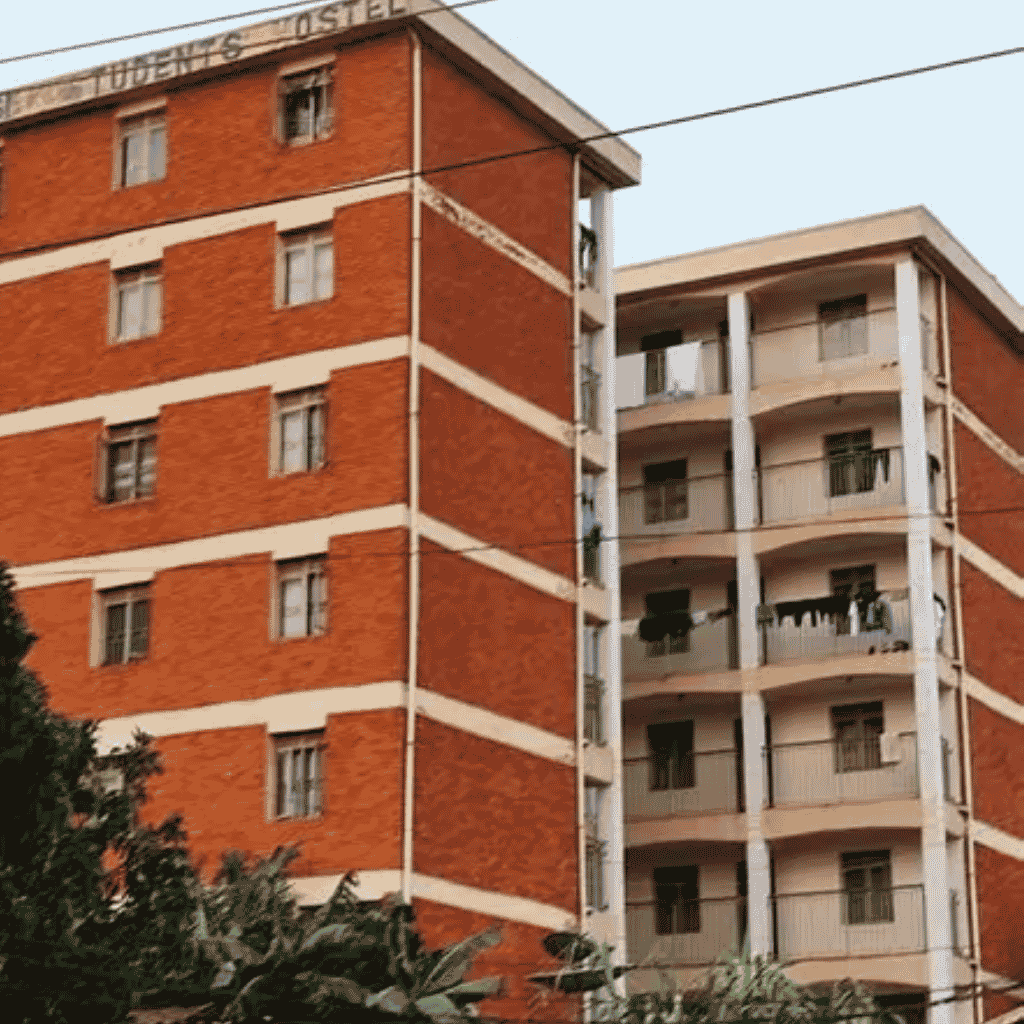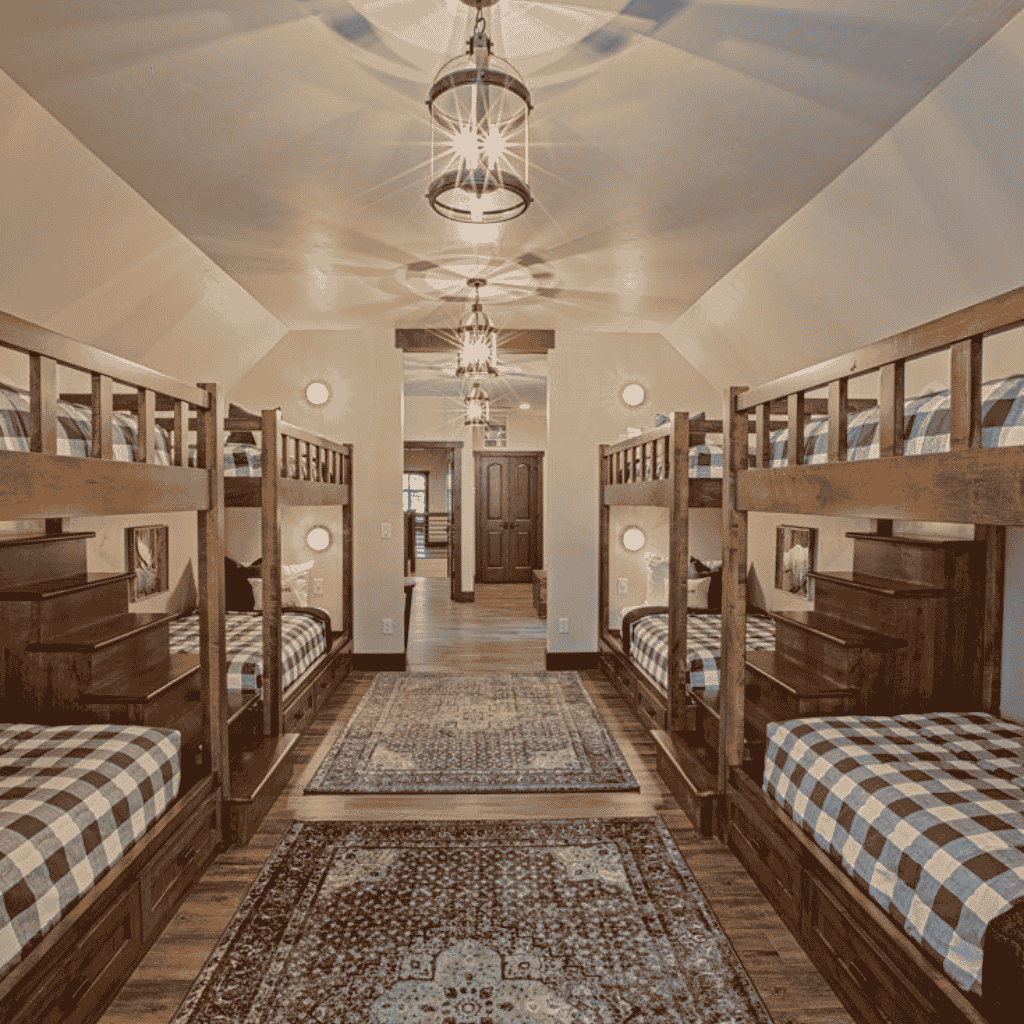
Hostel vs Off-Campus Living: Which Is Better for Ghanaian University Students?
Choosing where to stay at the university is one of the biggest decisions every Ghanaian student must make. For many students at Legon, KNUST, UCC, UPSA, and UEW, the debate around Hostel vs Off-Campus Living starts even before admission letters arrive.
With hostel shortages, rising rent prices, and increasing living costs in Ghana, students and parents are constantly trying to find the most affordable, safe, and practical option. Some students prefer the convenience and security of hostels, while others want the freedom and independence that come with renting off-campus.
But which option is truly better?
The answer depends on your budget, lifestyle, safety concerns, and academic priorities. In this guide, we’ll break down the real differences between hostel life and off-campus housing in Ghana — including costs, freedom, hidden expenses, security, and student experiences.
Hostel vs Off-Campus Living: Quick Comparison
| Expense Type | Hostel (Per Academic Year) | Off-Campus (Per Year) |
| Rent/Fees | GHS 4,000 – GHS 12,000 | GHS 14,400 – GHS 30,000 |
| Utilities (Water/Light) | Included (mostly) | GHS 600 – GHS 1,200/month |
| Commuting (Trotro/Bolt) | GHS 0 (Walking distance) | GHS 800 – GHS 1,500/month |
| Security/Maintenance | Included | GHS 200 – GHS 500 (ad-hoc) |
| Initial Setup (Furniture) | Minimal (Bed/Desk provided) | GHS 5,000+ (Fridge, Bed, Fan) |
Cost Comparison in Ghana
For most Ghanaian students, money is the number one factor when deciding between hostel accommodation and renting off-campus.
At first glance, hostels may seem expensive, especially private hostels around Legon and KNUST. However, many students later realize that off-campus living comes with hidden costs that quickly add up.
Average Hostel Costs in Ghana
Here are the estimated annual hostel fees in some Ghanaian universities:
| University Area | Hostel Type | Estimated Cost (GHS) |
| Legon | Traditional Hall | 4,400 – GHS 6,300 |
| Legon | Private Hostel | 8,000 – 18,000 |
| KNUST | Hostel | 5,000 – 12,000 |
| UCC | Hostel | 4,000 – 10,000 |
| UPSA | Private Hostel | 7,000 – 15,000 |
Most hostel fees include:
- Water
- Electricity
- Security
- Wi-Fi in some cases
- Furniture
- Maintenance
This is why many students see hostels as more predictable financially.
Average Off-Campus Rent Costs
Off-campus housing in Ghana can vary greatly depending on location.
Areas around:
- Madina and Atomic (Legon)
- Ayeduase (KNUST)
- Amamoma (UCC)
- East Legon and Bawaleshie (UPSA)
often have high student demand, which pushes rent prices up.
The biggest challenge is advance rent payments. Many landlords demand:
- 1 year advance
- 2 years advance
- Agent fees
For a student, this can become financially stressful very quickly.

Hidden Expenses Students Often Ignore
One major issue in the Hostel vs Off-Campus Living debate is the hidden costs many students do not plan for.
A hostel fee may look expensive initially, but off-campus living can drain money slowly every month.
1. Utility Bills
When living off campus, students often pay separately for:
- ECG electricity
- Water bills
- Garbage collection
- Internet subscriptions
In periods of “dumsor,” generator costs or fuel expenses can also increase.
2. Transportation Costs
Students staying far from campus may spend:
- GHS 20–80 daily on transport
- More during fuel price increases
At Legon, students staying around Adenta or Haatso can spend hundreds of cedis monthly just commuting.
Hostel residents usually walk to lectures.
3. Furniture and Appliances
Many off-campus rooms remain empty.
Students may need to buy:
- Mattress
- Fan
- Fridge
- Gas cylinder
- Study table
- Wardrobe
These costs are rarely considered early.
4. Internet and Data Expenses
Reliable internet in Ghana is expensive for students.
Outside campus, students may pay separately for:
- MTN data bundles
- Fibre installation
- Routers
Hostels often include at least basic Wi-Fi access.
5. Roommate Problems
Sharing apartments off-campus may create issues involving:
- Unpaid bills
- Noise
- Dirty environments
- Missing items
- Utility disagreements
These problems can affect both academics and mental health.
Freedom and Lifestyle
Freedom is one of the biggest reasons students choose off-campus housing.
In many Ghanaian hostels, students complain about:
- Curfews
- Visitor restrictions
- Strict management rules
- Shared bathrooms
- Limited cooking options
With off-campus living, students enjoy:
- More privacy
- Freedom to cook anytime
- Flexible schedules
- Ability to host friends
- Independent lifestyle
This is why many students move off campus after Level 100.
However, too much freedom can also become a distraction.
Some students struggle with:
- Excessive partying
- Skipping lectures
- Poor time management
- Isolation from academic communities
In the Hostel vs Off-Campus Living conversation, freedom can either help or hurt depending on the student.
Safety and Security
Safety matters greatly, especially for female students and freshers unfamiliar with university environments.
Hostel Security Advantages
University hostels often provide:
- Security guards
- CCTV cameras
- Controlled entry systems
- Emergency support
- Student wardens
Students also live close to peers, which can improve safety at night.
Risks of Off-Campus Living
Off-campus housing safety depends heavily on location.
Some student areas in Ghana experience:
- Theft
- Phone snatching
- Burglary
- Poor street lighting
Students returning late from lectures or night studies may feel unsafe in isolated areas.
Safety Tips for Students Living Off-Campus
If choosing off-campus housing:
- Research the area carefully
- Ask current tenants questions
- Avoid isolated compounds
- Confirm water and electricity reliability
- Ensure doors and windows are secure
- Consider living with trusted roommates
Parents should also inspect locations personally before paying rent.
Academic Performance and Mental Health
The choice between Hostel vs Off-Campus Living can directly affect academic success.
Advantages of Hostel Life for Academics
Hostels provide:
- Easy access to lectures
- Group studies
- Academic communities
- Reduced commuting stress
Students can quickly attend early morning classes without transportation problems.
Challenges in Hostels
At the same time, hostel environments can be noisy.
Common distractions include:
- Loud music
- Crowded rooms
- Social pressure
- Lack of privacy
Some students find it difficult to concentrate.
Off-Campus Academic Experience
Off-campus living can offer:
- Peaceful study environments
- Better privacy
- More control over schedules
But long commuting hours and utility stress can affect concentration.
Some students become mentally exhausted from:
- Managing bills
- Cooking daily
- Transportation stress
- Rent pressure
Which Option Is Best for Different Students?
Best for Freshers
Hostels are usually better for Level 100 students.
Reasons:
- Easier adjustment to university life
- Better social connections
- More security
- Easier campus navigation
Best for Final-Year Students
Many final-year students prefer off-campus living because they:
- Need quiet environments
- Value independence
- Have established friend groups
- Want more personal space
Best for Students on Tight Budgets
Traditional university halls are often cheaper overall if students secure placement early. However, sharing off-campus apartments with trusted friends can also reduce costs.
Best for International Students
Hostels are usually safer and easier initially because:
- They simplify settling in
- Reduce transport confusion
- Provide easier access to campus resources
Best for Students Who Value Privacy
Students who dislike crowded spaces may prefer off-campus accommodation despite the higher expenses.
Real-Life Student Experiences
Ama – University of Ghana (Legon)
Ama stayed in a private hostel during Level 100. Although the room was crowded, she loved being close to lectures and campus activities.
In Level 200, she moved to Madina for more freedom. However, transportation costs and ECG bills became stressful.
Her conclusion:
“Off-campus life gave me freedom, but I spent much more than expected.”
Kwame – KNUST
Kwame rented a chamber and hall at Ayeduase with two friends.
Initially, they thought splitting rent would save money. But after paying:
- Wi-Fi
- Water
- Electricity
- Gas
- Transportation
Their expenses became higher than hostel fees.
Esi – UCC
Esi preferred hostel life because she felt safer studying late at night near campus.
She explained:
“I didn’t want to worry about taxis or walking outside alone after evening studies.”
Kojo – Winneba
Kojo enjoyed off-campus life because he could cook his own meals and avoid hostel noise.
For him, independence improved productivity.
Pros and Cons Summary
Hostel Living Pros
- Better security
- Closer to lectures
- Lower transport costs
- Easier social life
- Utilities often included
Hostel Living Cons
- Less privacy
- Curfews and restrictions
- Noise and distractions
- Shared facilities
Off-Campus Living Pros
- More freedom
- Better privacy
- Flexible lifestyle
- More comfortable for mature students
Off-Campus Living Cons
- Hidden expenses
- Transportation stress
- Utility bills
- Security concerns
- Advance rent pressure
FAQ
Is off-campus living cheaper in Ghana?
Not always. While some off-campus rent may look affordable initially, hidden costs like utilities, transportation, and internet can make it more expensive.
Are university hostels safer?
Generally, yes. Most university hostels in Ghana have security guards, student wardens, and controlled access systems.
How much does student accommodation cost in Ghana?
Student accommodation costs vary widely. Traditional halls may cost between GHS 3,000 and 8,000 yearly, while private hostels and off-campus apartments can exceed GHS 20,000 annually.
What hidden costs come with off-campus housing?
Students often forget:
- ECG bills
- Water bills
- Internet costs
- Transportation
- Furniture
- Agent fees
- Gas refills
Is hostel life better for freshers?
Yes, in most cases. Freshers usually benefit from easier campus access, stronger social connections, and improved security.
Which universities in Ghana have accommodation shortages?
Accommodation shortages are common at:
- University of Ghana
- KNUST
- UCC
- UEW
- UPSA
This forces many students into private hostels or off-campus housing.
Final Verdict: Hostel vs Off-Campus Living
The truth is that there is no one-size-fits-all answer to the Hostel vs Off-Campus Living debate.
| Choose a Hostel if… | Choose Off-Campus if… |
| You are a Fresher (Level 100). | You are a Final Year/Postgrad student. |
| You are on a strict budget (all-in-one fee). | You have a higher budget for comfort. |
| You want to be close to the “action.” | You value your privacy and “me-time.” |
| You don’t want to deal with landlords/bills. | You are ready to manage a household. |
Before making a decision, Ghanaian students and parents should carefully consider:
- Total living costs
- Security
- Distance from campus
- Academic needs
- Lifestyle preferences
In today’s Ghana, accommodation decisions are no longer just about rent prices. They are about balancing comfort, safety, finances, and academic success.
Choosing wisely can make university life far easier, less stressful, and more productive.
Ready to find your perfect room?
Don’t get scammed by “agents” on the street. At Getrooms, we provide a secure link to over 800 verified hostels across Ghana.
- Search Hostels: Find your next room here
- Check Prices: View the latest subscription plans
- Stay Updated: Visit our Blog for more tips on student life in Ghana.