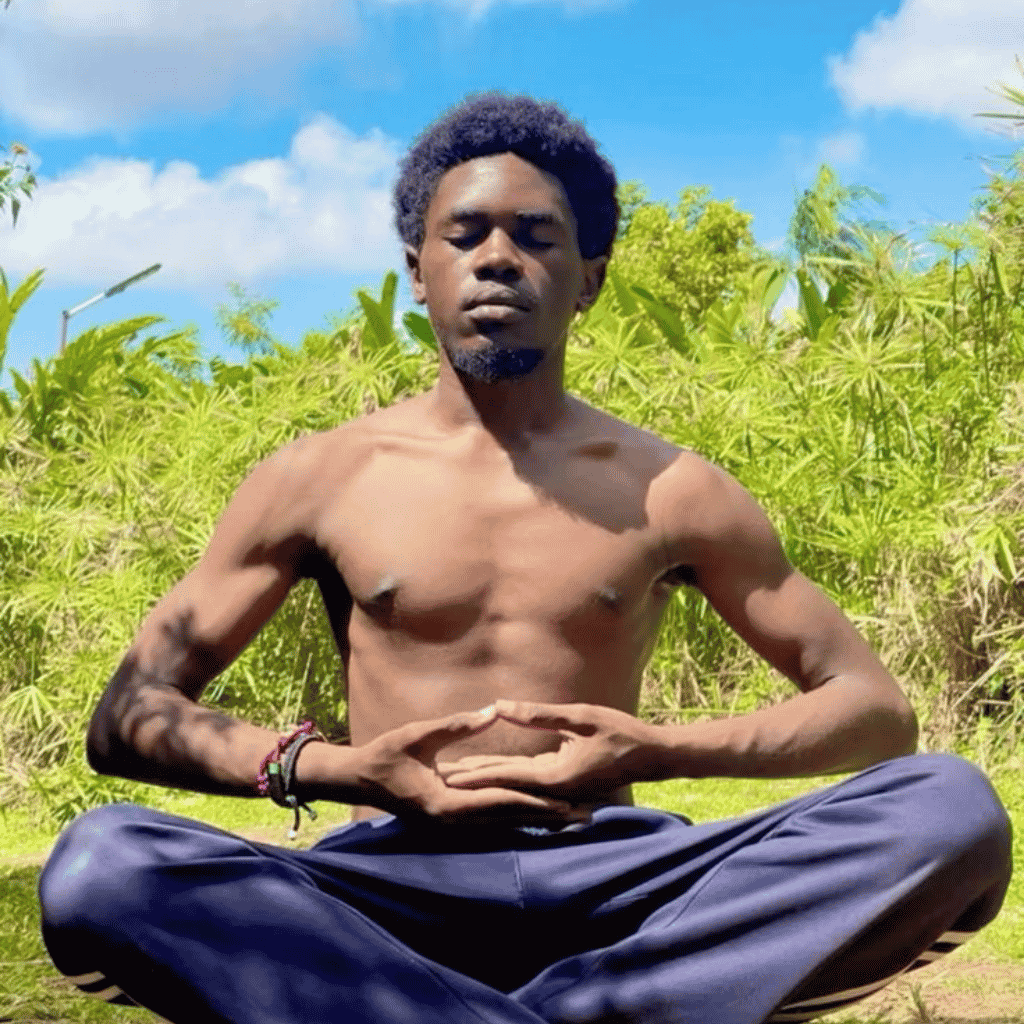
Mindfulness & Meditation: Daily Exercises for Calmness (2026)
Life in Ghana can feel overwhelming sometimes. Between sitting in Accra traffic for hours, managing work pressure, dealing with family responsibilities, handling school stress, and trying to keep up with rising living costs, many people feel mentally exhausted before the day even ends.
That is why more people are turning to daily exercises for calmness to protect their mental and emotional well-being. Whether you are a student at Legon, a trader in Makola, an office worker in East Legon, or an entrepreneur juggling multiple hustles, mindfulness and meditation can help you regain peace of mind.
The good news is that mindfulness is not complicated. You do not need expensive equipment, a quiet mountain retreat, or hours of free time. Just a few intentional minutes every day can help reduce stress, improve focus, and create emotional balance.
At Getrooms, we know that finding the perfect hostel is just the first step to a successful
student life. True success starts with a healthy mind. That is why we are exploring how daily exercises for calmness can help you navigate the unique stresses of Ghanaian life with peace and focus.
What Is Mindfulness & Meditation?
Mindfulness is the practice of paying attention to the present moment without judgment. It means becoming aware of your thoughts, feelings, breathing, and surroundings instead of constantly worrying about the future or replaying past problems.
Meditation is a technique used to train the mind. It often involves breathing exercises, silence, reflection, or focused attention.
Simply put:
- Mindfulness is awareness.
- Meditation is a practice.
Scientific studies have shown that mindfulness and meditation may help:
- Lower stress levels
- Improve sleep quality
- Reduce anxiety
- Improve concentration
- Stabilize emotions
- Support overall mental health
For many Ghanaians dealing with daily pressure and “hustle culture,” these practices provide a healthy mental reset.
READ ALSO: Top In-Demand Skills Ghanaian Employers Are Looking For Today
Why Ghanaians Are Turning to Daily Exercises for Calmness
In recent years, conversations around mental wellness in Ghana have grown significantly. More people are realizing that emotional exhaustion is real.
Many Ghanaians face:
- Long commuting hours
- Financial stress
- Social pressure
- Burnout from work or school
- Digital overload from social media
- Poor work-life balance
As a result, people are searching for practical ways to stay emotionally grounded. This is where daily exercises for calmness become useful.
These simple routines help individuals feel more centered, even during difficult days.
Need a Stress-Free Place to Stay?
Don’t let accommodation “middlemen” add to your stress. Browse over 800 verified hostels across Ghana on our Hostel Search Page. Check out our subscription plans to get direct access to hostel managers today!
10 Daily Exercises for Calmness You Can Start Today
1. Deep Breathing Exercises
One of the easiest daily exercises for calmness is controlled breathing.
How to Practice:
- Sit comfortably.
- Inhale deeply through your nose for 4 seconds.
- Hold your breath for 4 seconds.
- Exhale slowly for 6 seconds.
- Repeat for 5 minutes.
This exercise helps slow your heart rate and relax your nervous system.
Best Time:
- Before work
- During traffic
- Before sleeping
2. Morning Gratitude Practice
Before touching your phone in the morning, take a few minutes to appreciate simple things.
Try This:
- Say 3 things you are grateful for
- Reflect on one positive goal for the day
- Take slow breaths while doing this
Gratitude helps shift your mind away from stress and negativity.
3. Five-Minute Meditation Routine
Meditation does not have to last one hour.
Beginner Routine:
- Sit quietly
- Close your eyes
- Focus only on your breathing
- If your thoughts wander, gently return focus to your breath
Starting with just 5 minutes daily can make a major difference over time.
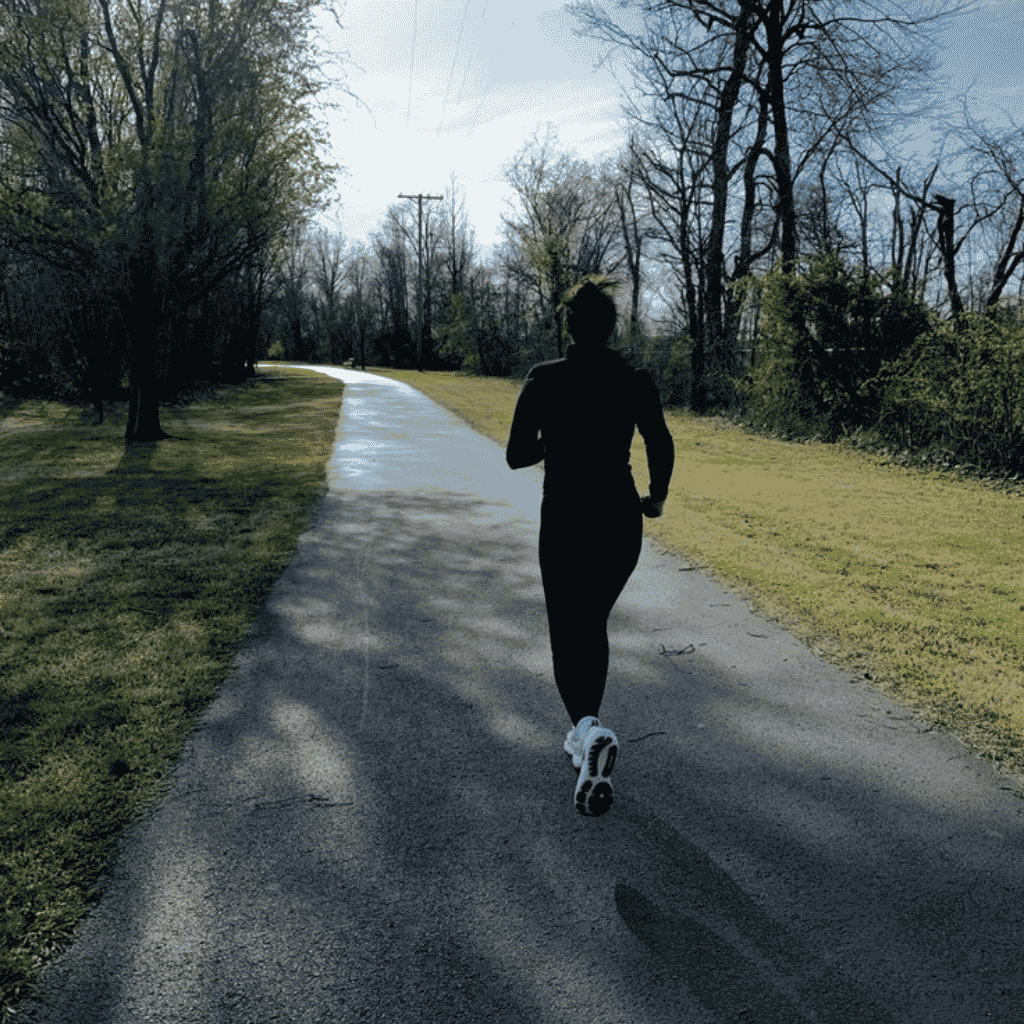
4. Mindful Walking
Walking mindfully is especially helpful if you spend most of your day indoors.
How:
- Walk slowly and intentionally
- Pay attention to your footsteps
- Observe sounds, smells, and surroundings
- Avoid using your phone during the walk
You can practice this while walking around your neighborhood, campus, or office compound.
5. Journaling Your Thoughts
Writing down your thoughts helps clear mental clutter.
Journal Ideas:
- What stressed me today?
- What made me happy today?
- What can I improve tomorrow?
This habit helps to process emotions healthily.
6. Prayer and Mindfulness Connection
For many Ghanaians, spirituality is deeply connected to emotional peace.
Combining prayer with mindfulness can create calmness and inner stability.
Example:
- Pray slowly and intentionally
- Focus on gratitude
- Reflect quietly afterward
This approach can strengthen both spiritual and emotional well-being.
7. Digital Detox Periods
Constant notifications and social media scrolling can increase anxiety.
Simple Detox Tips:
- Avoid your phone for the first 30 minutes after waking up
- Turn off unnecessary notifications
- Create a “quiet hour” before bed
Reducing digital noise supports mental clarity.
8. Stretching and Relaxation
Physical tension often increases emotional stress.
Simple Stretches:
- Neck rolls
- Shoulder stretches
- Gentle back stretches
- Slow body movements
Stretching improves circulation and reduces physical tightness caused by stress.
9. Evening Reflection Habits
Ending your day intentionally can improve sleep and emotional balance.
Try This Routine:
- Reflect on the day calmly
- Avoid arguments or stressful content before bed
- Practice slow breathing
- Read something peaceful
These habits support better rest and mental recovery.
10. Grounding Techniques During Stress
Grounding exercises help when anxiety becomes overwhelming.
The 5-4-3-2-1 Technique:
Identify:
- 5 things you can see
- 4 things you can touch
- 3 things you can hear
- 2 things you can smell
- 1 thing you can taste
This technique helps bring your mind back to the present moment.
Best Times to Practice Mindfulness in Ghana
Early Morning
The quiet hours before daily activity begin are ideal for mindfulness.
During Trotro or Uber Commutes
Instead of stressing over traffic, practice breathing exercises or gratitude reflection.
During Work Breaks
A short mental reset during lunch can improve productivity.
Before Bed
Nighttime mindfulness helps improve sleep quality.
Common Mistakes Beginners Make
Expecting Instant Results
Mindfulness is a gradual process. Calmness develops over time.
Being Inconsistent
Practicing once a week may not produce noticeable benefits.
Choosing Complex Techniques
Simple routines are often more sustainable.
Comparing Yourself to Others
Everyone experiences mindfulness differently.
Benefits of Consistent Practice
Practicing daily exercises for calmness regularly may lead to:
- Better sleep
- Reduced anxiety
- Improved concentration
- Emotional balance
- Better relationships
- Increased patience
- Higher productivity
- Improved self-awareness
Over time, small daily habits create lasting mental strength.
Expert Tips for Staying Consistent
Start Small
Begin with just 5 minutes daily.
Attach It to Existing Habits
Practice mindfulness after brushing your teeth or before breakfast.
Use Reminders
Set simple alarms or sticky notes.
Create a Calm Space
Even a small, quiet corner at home can help.
Avoid Perfectionism
Some days will feel easier than others. Consistency matters more than perfection.
Frequently Asked Questions
1. What are the best daily exercises for calmness?
Deep breathing, meditation, gratitude practice, mindful walking, and journaling are among the best exercises.
2. Can mindfulness help with anxiety?
Yes. Mindfulness may help reduce anxious thoughts by keeping your attention focused on the present moment.
3. How long should I meditate daily?
Beginners can start with 5–10 minutes daily.
4. Is mindfulness connected to religion?
Mindfulness itself is not religious, but many people combine it with prayer or spiritual reflection.
5. How quickly will I notice results?
Some people feel calmer within days, while long-term benefits often develop after several weeks of consistent practice.
READ ALSO: How to Start Freelancing While in School in Ghana
Conclusion
In today’s fast-moving world, protecting your peace of mind is becoming more important than ever. Practicing daily exercises for calmness does not require perfection, money, or special training. What matters most is consistency.
Whether you begin with deep breathing during traffic, quiet reflection before bed, or a short morning meditation, small mindful habits can gradually improve your emotional well-being.
For many Ghanaians navigating busy schedules and everyday pressures, mindfulness offers something valuable: a chance to slow down, reset, and reconnect with inner peace.
At Getrooms, we are committed to making your stay as comfortable as possible so you can focus on what truly matters. Stay calm, stay focused, and happy room hunting!
Disclaimer: The information provided in this article is for educational and informational purposes only and is not intended as medical advice, diagnosis, or treatment. While mindfulness and meditation are effective tools for stress management, they are not a substitute for professional mental health care. If you are experiencing severe anxiety, depression, or a mental health crisis, please consult a qualified healthcare professional or a licensed counselor in Ghana.